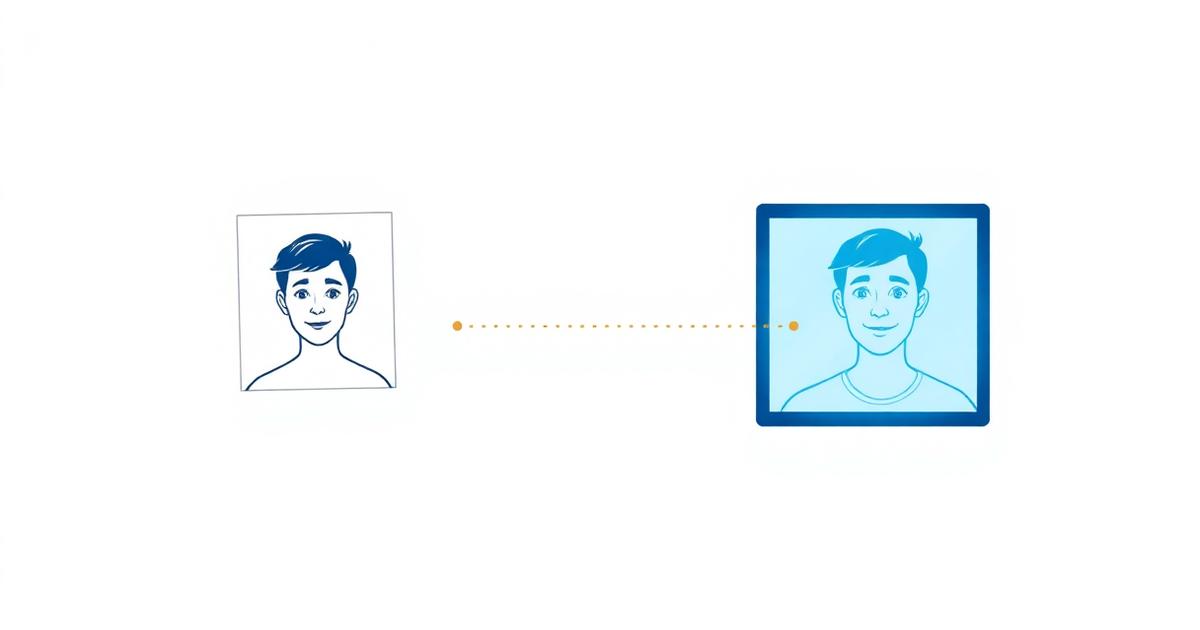
How to Build a Faceless YouTube Channel With AI Avatars
A production system for running a YouTube channel with a consistent AI presenter — including what YouTube's policies actually require.
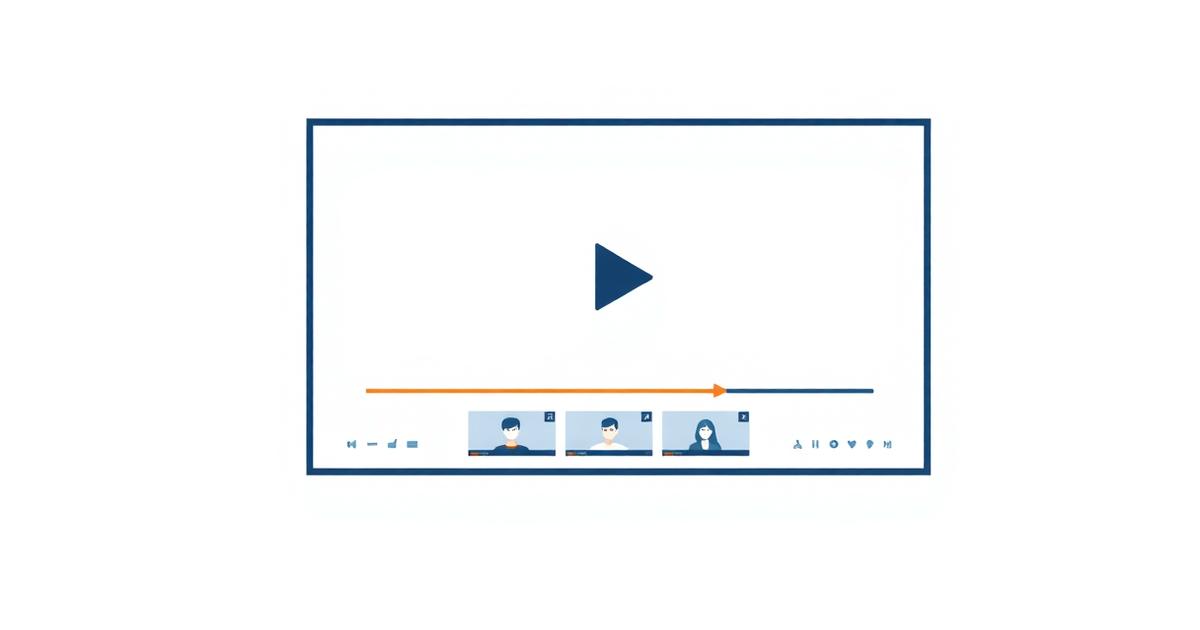
"Faceless" is a misleading label. The channels that work are not faceless — they have a consistent presenter that simply is not a filmed human. An AI avatar gives you the recognisability of a host without the scheduling cost of one.
Choosing a niche that suits this format
Best fits:
- Explainer and educational content
- News summaries and industry roundups
- Product breakdowns and comparisons
- Finance, tech, health and productivity, where information carries the video
Poor fits:
- Vlogs and lifestyle content built on personality moments
- Physical demonstrations and hands-on reviews
- Anything where the audience expects spontaneity
Building the channel identity
Consistency is what turns uploads into a channel:
- One presenter. Same avatar, same framing, every video.
- One voice. Cloned once, used everywhere.
- One visual grammar. Same intro structure, caption style, thumbnail treatment.
- One promise. Viewers should be able to say what your channel is for in a sentence.
The production system
Weekly rhythm
- Monday: research and outline three videos.
- Tuesday: write all three scripts.
- Wednesday: generate narration and avatar footage.
- Thursday: edit, add B-roll and captions, build thumbnails.
- Friday: publish and schedule.
Scripting for YouTube length
Long-form needs structure the way short-form needs a hook:
- Cold open — the payoff, in 15 seconds.
- Promise — what the viewer will know by the end.
- Body — three to five sections, each with its own mini-hook.
- Recap and next step.
Aim for 1,200–1,800 words for a 8–12 minute video.
Keeping a long video visually alive
A talking head alone will not hold ten minutes. Alternate:
- Presenter shots for arguments and transitions.
- B-roll for anything concrete you name.
- Screen recordings for demonstrations.
- Text cards for numbers and lists.
Change the visual every 5–10 seconds.
YouTube policy: what you must do
YouTube requires creators to disclose realistic synthetic or altered content in the upload flow. In practice:
- Tick the altered-content disclosure when your presenter is AI-generated.
- Do not present synthetic people as real customers or experts.
- Do not clone real people without consent.
Also relevant to monetisation: YouTube''s policies target inauthentic, mass-produced, repetitive content — not AI as a tool. A channel with original scripts, real research and a consistent point of view monetises. A channel pumping out template videos with a synthetic narrator does not. The presenter is not the problem; the absence of original value is.
Growth mechanics that still apply
- Thumbnail and title first. Write them before the script; if you cannot make them compelling, the video is not worth making.
- Retention over upload count. One well-researched video a week beats five thin ones.
- Series structure. Numbered or themed series train viewers to come back.
- Comments as a research pipeline. Your next ten videos are already in there.
Monetisation paths
Ad revenue is the slowest. Faster routes for this format:
- A product or course that solves the problem your videos describe.
- Affiliate placements where recommendations are genuinely relevant.
- Sponsorships once you have a defined, describable audience.
- A newsletter that captures viewers off-platform.
What to expect
Realistically, expect a few months of steady publishing before the algorithm has enough data to work with. The advantage of an AI-presenter workflow is not speed to virality — it is that you can still be publishing in month six, when a camera-based schedule would have broken down in month two.
Frequently asked questions
About Matt Hansen
Matt Hansen writes about AI video creation at Lyler, where creators turn a single selfie into talking-head videos.