What Is an AI Clone? How Digital Twins Work for Creators
An AI clone is a reusable digital version of your face and voice that can deliver any script on demand. Here is how it works in practice.
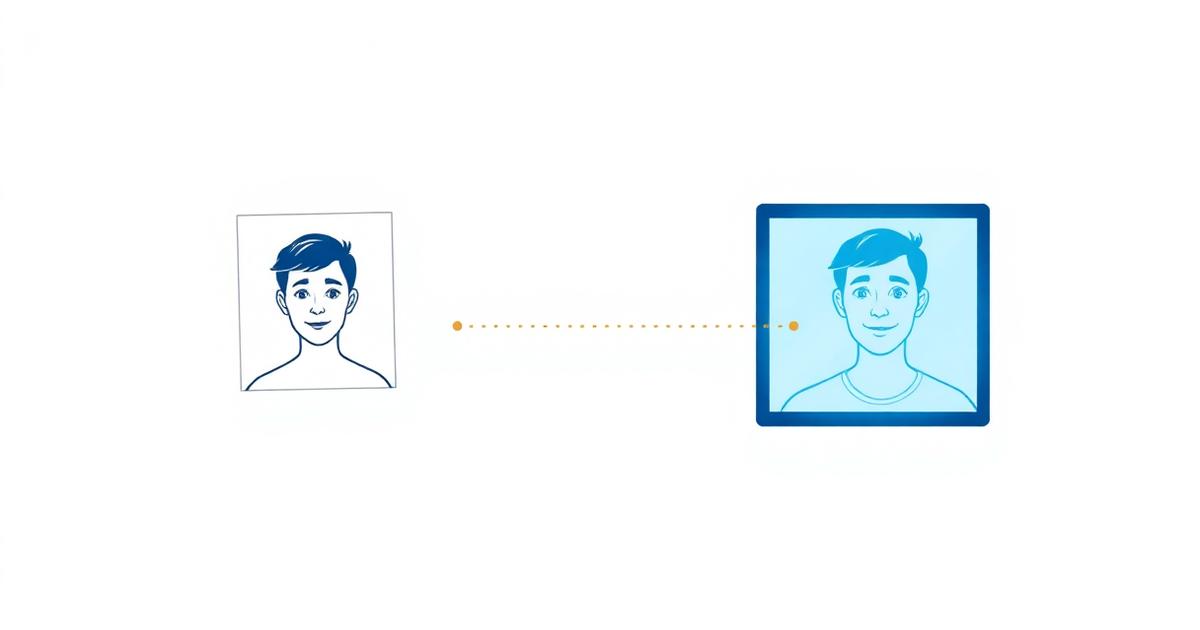
An AI clone is a reusable digital version of you — your face, your framing, your voice — that can deliver any script you write without you being on camera. Build it once, use it for every video after that.
What goes into a clone
A usable clone is made of two independent models plus a rendering step.
The visual model
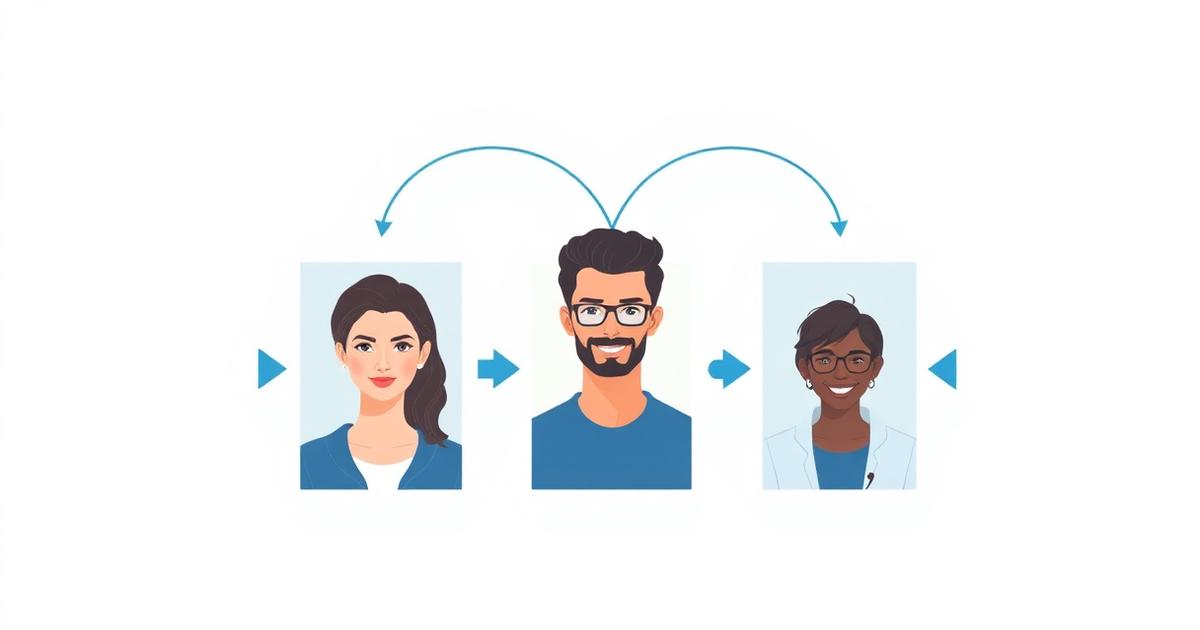
Built from a set of your photos. Good systems first generate a character sheet — your face from several angles and expressions — and then a talking-head avatar framed chest-up, which is the framing lipsync models handle best. The character sheet is what keeps you looking like the same person across hundreds of videos.
The voice model
Built from a short sample of your speech. It captures timbre, pace and the small habits that make a voice recognisable, then reproduces them for any text you feed it.
The lipsync render
Takes the avatar and the audio and animates mouth shapes, jaw movement and subtle head motion so the two match.
What a clone is good at
- Repeatable delivery. The same energy on take one and take fifty.
- Volume. Ten videos in an afternoon is normal, not ambitious.
- Iteration. Change one line of the script and regenerate; you do not reshoot.
- Languages. One clone, many markets, same recognisable person.
- Consistency. Same lighting, same framing, same look, forever.
What a clone is not good at
Be honest about the limits, because they shape how you use it:
- Unscripted reactions and genuine spontaneity.
- Physical demonstrations where hands manipulate real objects.
- Anything requiring the viewer to trust that the moment is live.
The practical answer is a mix: clone-generated content for the repeatable 80%, real footage for the moments where being human on camera is the message.
How creators actually use clones
Daily short-form. Write a batch of hooks on Monday, render them, schedule two weeks of posts.
Ad variations. Same offer, twelve different opening lines, tested against each other. This is where clones pay for themselves fastest, because creative volume is the main lever in paid social.
Evergreen explainers. Update the script when the product changes; regenerate instead of reshooting.
Localisation. Publish the same video in English, Spanish and German without hiring three presenters.
Quality: what actually moves the needle
In order of impact:
- Source photo quality. Soft, even light. Face unobstructed. Recent photos. Multiple angles.
- Voice sample quality. A quiet room beats an expensive microphone in a noisy one.
- Script naturalness. Written-to-be-read scripts sound synthetic no matter how good the model is.
- Framing. Chest-up medium close-ups give the model enough face to work with and enough margin around the head.
Ethics and consent
Clone yourself, or people who have explicitly agreed. Do not clone public figures, and do not use a clone to imply an endorsement that was never given. Disclose AI-generated presenters when a viewer could reasonably be misled — several ad platforms now require it, and audiences respond better to transparency than to being caught out.
Is a clone worth it?
Do the arithmetic on your own workflow. If a filmed talking head costs you 45 minutes end to end — setup, takes, teardown, editing — and you want to publish five a week, that is nearly four hours. Clone-generated video collapses that into roughly half an hour of scripting plus render time, and the marginal cost of the sixth video is close to zero.
The creators who benefit most are the ones publishing constantly: daily posters, performance marketers testing creative, and teams that need the same person to appear in far more videos than one human schedule allows.
Frequently asked questions
About Matt Hansen
Matt Hansen writes about AI video creation at Lyler, where creators turn a single selfie into talking-head videos.